In this week's Thursday Thinkpiece we take a look at the recent EU AI Act and how it's changing the way the internet and businesses market themselves in this ever changing climate.
There’s a place where creativity meets corporate interests. A place where selling a product or vertical slice of yourself is the goal.The place I speak of is a little place we call Social Media.
On Social Media, you can be anything you want to be. You can turn yourself into an expert on any topic or industry. This is a place where you can run a whole business on vibes and journeys. A place where realism isn’t the name of the game but where a curated version of yourself can exist separate to you. You can deflect criticism quite easily but this is usually by just ignoring the “haters” who are just jealous of you of course. Money isn’t always the goal but AI has helped to turn everyone into a writer, artist or music megastar with nothing but a pocket full of dreams and a prompt full of hope.
I can say I’ve leant on using Gen-AI to help me structure my thoughts and even to try and make something fit a more rigid structure. It’s not because I can’t write, it's more because it’s a skill I haven’t been able to practice properly for a while. It failed because that probably didn’t help to really bring forward what I was trying to achieve. It doesn’t know me, it just “knows” what I think I should be. It’s kind of the main reason why these think pieces even exist.
As someone who loves to write, edit video, draw and play music in an analogue and sometimes digital fashion. I don’t want to take away anyone’s ability to express themselves. I can love Bob Dylan before he went electric and after. It doesn’t mean I’m amazing at any of these things but whatever I put on the page comes from my unique lens of the world. I then sprinkled in some inspiration from what has gone before. That’s it. However, the future of Gen AI trying to replace human ingenuity isn’t something far away on the horizon of civilization anymore.
It’s here. But I digress. In its most basic form, Gen-AI. Well it’s just a tool.
On Sunday August 2nd 2026, The EU AI Act started officially applying but it actually came into force on August 1st 2024 for those taking notes. It shifted what was thought to be a dream for those who didn’t necessarily fit the archetype of the tortured artist. To try and larp like one even if deep down they truly are. It’s a shortcut which now comes with up to a 15 million Euro price tag for those who don’t disclose it clearly, or 3% worldwide annual turnover whichever hurts them more. This is where FAFO stops being a bit of internet vulgarity and starts meaning Fake Around And Find Out.
15 million euros could be thought of as a rounding error to a big tech company like Meta. 3% of global turnover well that’s gonna sting Zuckerburg and co more than the loss made from the Metaverse.
What is Generative AI?
Generative AI is the synthetic output of large language models that have been trained on almost the whole of human histories’ art, music and literature to produce something which can only be described as an uncanny valley of humanity. This output can be in illustrated flyers for businesses, funny video shorts featuring animated pieces of fruit cheating on each other on YouTube and TikTok or as banal as social media posts on LinkedIn and X.
It ticks all the boxes of what went before it and in many cases is probably the best way of doing things for efficiency and speed for individuals or small teams. The application of this technology is seemingly infinite and is not going away any time soon.
What began as a way to save some time writing an email has now become the way to fully write, voice and produce a song with near studio level production. I’m not here to say it’s bad or that people should be penalised for using it as that is very Pre-ChatGPT thinking. The bottle this genie lives in was smashed to pieces many years ago. It’s not going back in. The wishes however now come with a bit of a catch.
What is the EU AI Act?
The EU AI Act first hit the headlines in 2023 (which I’ll come back to shortly) it seemed broad and a bit of a nothing burger way back when. This is how all legislation is initially drafted.
Back in November 2022, when many of us early adopters signed up to the free OpenAI Playground I played around with it in its most basic form before ChatGPT Plus became a thing. Plenty of “at capacity” messages which I’m sure a lot of you remember and it was very basic and fiddly to set up. It was pay as you go and I was very careful in staying within very small limits.
Then in February 2023 when ChatGPT Plus launched I was lucky to already have an account and credit card attached so I just bit the bullet to have the subscription to have a play around and get around the self imposed and technical limits. It was fun. Honestly, I mainly used it for shopping lists and asking stupid questions. I tried more ambitious things but it wasn’t really there yet. It wasn’t much more than that but organising my life as the goal here. It was very slow so it didn’t have the same kind of impact and I was deep into coming off a few years of learning how to use programming languages like Powershell and Python. At this point coding tasks were a lot easier to just do by hand and I had already caught the programming bug hard so hobbled things together from online courses and copious amounts of Stack Exchange posts. Those were the dark days indeed or maybe most fulfilling depending on how you look at it.
Many people didn’t even know what Generative AI “content” was at that point. It wasn’t really usable or a thing until much deeper into 2023. This was mainly as it hadn’t really been defined fully yet and the edges were still pretty rough. It was years away in our minds. We were in the early days of chatbots and ChatGPT coming to take over the academic fields first and then coding. Governments around the world weren’t massively interested in trying to keep up with the technological changes speeding by but in the EU this was a different story.
The EU AI Act covered a lot which I won’t go into but deepfakes were a major concern back then. Celebrities were worried their likeness would be used at best, to promote the wrong brand and at worst into more nefarious adult avenues. The broad outline was there to also protect the average citizen and state official from suffering a similar or worse fate.
What actually changed on August 2nd 2026?
Fast forward to August 2nd 2026 and this is now EU Law specifically Article 50 of this long sprawling document is the key change. Businesses have to become compliant by December 2nd 2026. This timeline and window is shocking but exists for a reason to try and allow those who may have started their business in the beforetimes a chance to align themselves closer to the new guidelines. This includes the marking and detection obligation of this content that they now face. There are some exceptions for things like satire especially if disclosure ruins the joke. Thanks Europe, I definitely owe you a stein of beer for that one and so do the Lego AI bros from Iran.
This doesn’t just affect people like me in the UK though. We're bound by EU law of course even if we’re not officially a part of them any more. That does kind of make me sad but I don’t want to get into politics as that in itself would take us way off track. The main point though is this will also apply, just the same to other companies from around the world that trade here either physically or digitally. It mainly hits those in the marketing game and small to medium businesses who may not even really know about it.
Again, this was still brought into law to in essence to fight the industry of deepfake technology which now is almost imperceptible from reality. We could have a whole other debate on the “someone please think of the children” when it comes to laws being brought in around technology so let’s put that to one side here even though I think it’s important. The main change is that these items now have to be labelled if they are to be used, especially if they are going to be used to inform, sell a product or try to educate. It’s probably for the best really.
This is where things get a bit messy and of course there have been no actual test cases yet so it’s interesting to ponder on. It’s a very human trait. For those who want to read the actual letter of the law you can go here.
Luckily the EU has been kind enough, if you could call it, to give us the actual labels to use and to allow some exceptions. Think of them as Food Warning labels and they definitely are going to make some people think a bit differently on the content they consume. I’ve pasted this below from the guidance from which makes it a bit easier to digest.
Not all AI-generated or manipulated content needs to be labelled. The disclosure requirement under the AI Act covers only AI-generated or manipulated content. The icons support compliance with Article 50(4) of the AI Act, which requires deployers of AI systems to disclose:
- Deep fakes - AI-generated or manipulated image, audio, or video content that resembles existing persons, objects, places, entities or events and would falsely appear to a person to be authentic or truthful.
- AI-generated or manipulated text published to inform the public on matters of public interest, which did not undergo human review or editorial control and where editorial responsibility was not assumed by any legal or natural person.
Link to Labelling and EU Gen AI Icons
Making Gen-AI Iconic
The icons are the thing that is really the major change here. I’ve already seen on LinkedIn content with the AI-Generated logo on videos this week. They now have this new watermark where only last week they didn’t. It was obvious they weren’t real to begin with but now they have to actually slap it on there to cover their arse for compliance purposes.
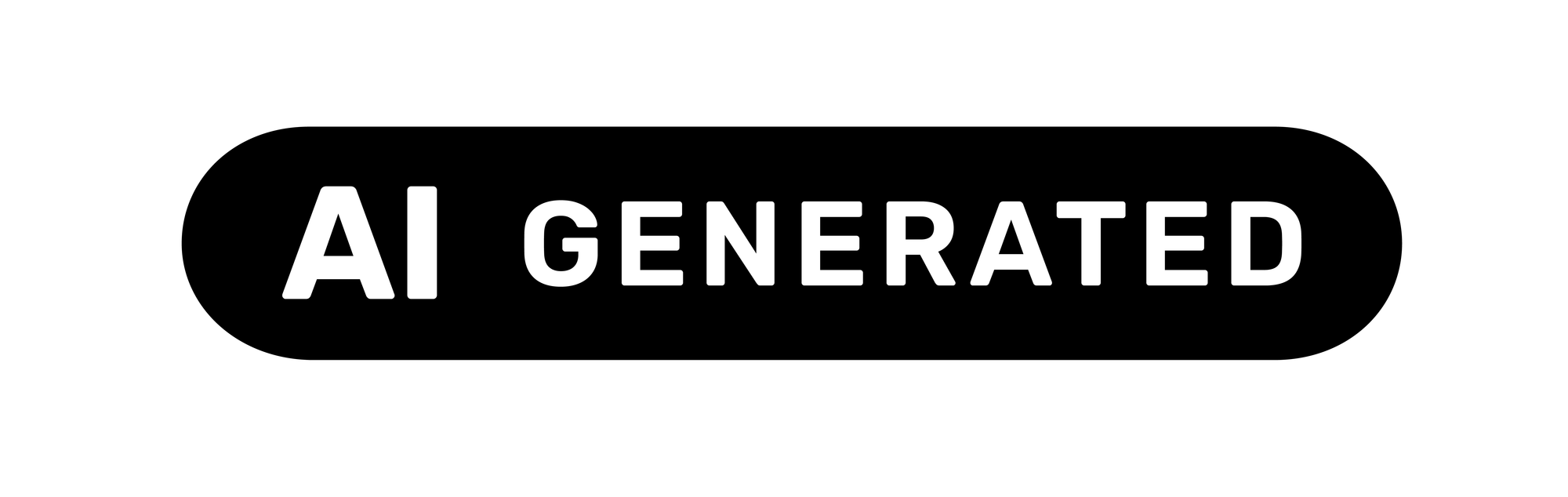
Now many will say good riddance to the AI-Slop but it’s not as black and white as that and really topics like this never really are. I won’t even go into the Seems Like AI Slop button on LinkedIn as that’s a whole other piece coming later down the road.
Let’s do a quick experiment for fun.
Here’s an image that I made using Google Nano Banana
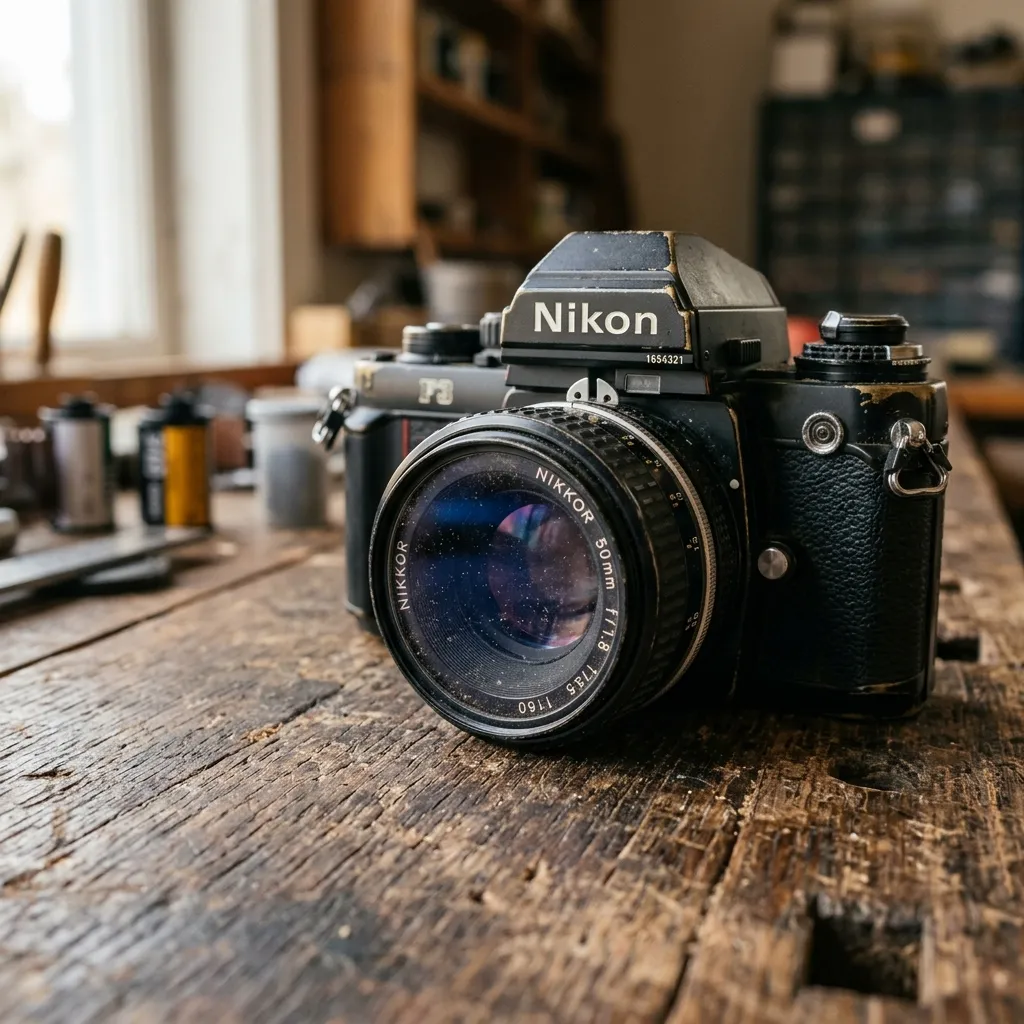
It's a camera on a desk and I mean it did a really good job at making that camera on a desk. If I threw this up and didn’t say it was Gen-AI most would just think it was a stock image or maybe something from the Creative Commons free to use image library.
However, these images contain watermarks that would give incorrect metadata so I can just use some simple python to strip the Exif Metadata and if I was really cheeky could even inject my own and voila this would seem to be the real deal.
The funniest part is I just asked Google Gemini how to do this as well so the whole idea of the metadata being the way to truly catch people out is probably not going to work. Plus it’s kind of still baked into a tool that many use every day.
In short, I made the image using Generative AI and then stripped out the important watermark data it’s now supposed to have to say it was created using that same Generative AI.
The real test and way to become compliant is that now companies will have to either disclose it via the tags we just removed (C2PA Tags for technical resilience) and the EU Mandated Labels with a short paragraph on which AI tool this was created from if used for a blog or video for example.
This is of course voluntary disclosure but if they want to challenge this and get called out on it then they in this case they would have to show their human work on how this picture was composed to start with.
-
Maybe they need to document and take copious notes of the people they hired to take that photo.
-
Maybe they need to have the receipt of the camera that it was taken with but in practice is this really something anyone is ready for.
Pictures taken on an iPhone or Android phone have essentially become non-documentarial evidence and we’ll probably see a rise in people taking actual written notes and pictures on actual film with a real DSLR camera to try and be 100% protected.
This of course is not really going to work in a real life scenario and so a lot of this comes down to the voluntary disclosure of this information to the public via the icons.
It’s not just going to affect the bigger fish in the corporate pond but also smaller creators who are just taking their first real dip.
What about you, eh?
What about me, eh? Well I think the below screenshot should help understand where I am in this.
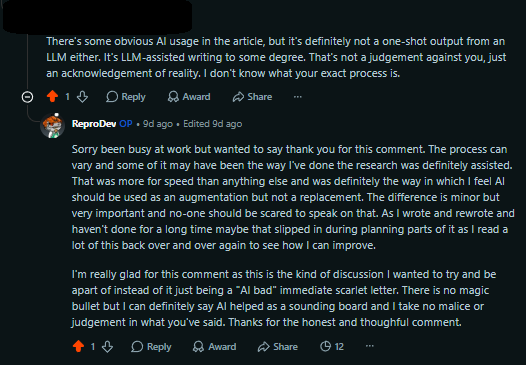
This is a comment that came from a subreddit where I posted my Plex Vs Jellyfin Article and I’ve probably not done the best job explaining in the comments but I like to try and remain accountable to myself and you when I feel like I’ve made a mistake. It’s also been a long time since I’ve written essays to deadline so cut me a little slack here. Also, maybe you can learn from my mistakes as I make them. Either way let’s take a quick laugh at me for once.
I had a lot of time to think about this comment and I still stand by the original article not being AI-Slop. It took a lot honestly a few weeks to plan out in time between my day job and to write. As I got ready to release it the Jellyfin founder exodus happened which changed it slightly and I was trying to do quick research with Gemini.
That was a bad but honest mistake as my workflow during draft stage these days involves me asking an LLM what it thinks of my draft. I then redraft taking a few notes from what is essentially my AI editor for its “thoughts”. I mainly look for the tone and if it’s been out there before or if it’s a genuine unique take. This was as I got annoyed with AI detectors calling my original pieces AI written even a few percent and I tried to understand why.
This is just to be clear it doesn’t write it for me and on that occasion I likely gave the AI too much credit to be my academic buddy or smart tutor. I should have been a bit clearer but hey working to your own self imposed deadline isn’t an excuse any time. It just means I should be better with my own time management.
I appreciate the honest feedback on my content to try and improve my writing especially as I do feel like I throw myself onto the page a lot of the time. It gives me that weird sense of personal attachment to something I really shouldn’t. Since then I have gone back to what I know I should have listened to all the time when I put something out.
This silly human. This relatively silly human called me.
Taking the L
I still run it through an AI checker to make sure it’s not me just acting like a robot but I try to ignore it as a bad thing or I’d go insane. I want to try and make sure my writing remains me and being able to manually buck the trends of the usual cliche should for now be enough to keep that particular wolf from the door. Well, that phrase has added at least 1% added to the AI detector but it’s now much more of an afterthought to make sure I’m doing my own due diligence to be true to myself.
However, once it’s out there then anyone should have the opportunity to be able to challenge what I wrote or even how I wrote it. That’s the true human spirit at work and I’m sure I’ve pissed all over someone’s hard work before myself. I should be held to the same kind of criticism and also be able to take the L when I’ve cheated myself or my audience. In this case I would have actually been protected from not having to do any kind of disclosure but that’s not me. I’m very much trying to call myself out before anyone else does as that’s growth in action.
I felt that this was something I need to add as an important personal part of this article. It’s that when we mess up, we need to own it, learn and move forward and not put on a facade or blame anyone else for our shortcomings. There may be things out of my control but also I should be able to try and roll with the punches. It’s also why I welcome honest constructive feedback and not mud slinging because it’s not good for anyone and can cause people to do silly things in the world of clout chasing and the wider business world.
I personally want to deeply thank that user for their balanced and honest feedback because that’s truly how the tech world works too, mostly. I also want to again thank those that corrected me or found something interesting on any platform. This is how we all get a chance to be involved in a real non judgemental conversation. It’s the way the tech community itself grows and stops people from trying to rewrite history to suit their own current narrative. Especially when it’s usually pretty transparent to begin with.
Again, I digress but as we now speed into a world where reality may be imperceptible from fiction it’s something we should really hold ourselves accountable for. It builds real trust in a world where it’s hard to trust anything and back stories feel malleable.
Enough about your sob story, buddy. Tell me why the labelling matters?
I first heard this particular nugget of information about something slightly off topic but related in the excellent The Rest is Entertainment podcast fronted by Richard Osman and Marina Hyde linked below which YouTube has decided to be part of my recommended feed each week for a few years now. I’m happy they did.
This episode covers how 39% of people in the USA define themselves as a content creator according to statistics by Luminate, which is weird but feels prescient and current. It also explains how most of them are now broken and/or flat broke as the saturation reaches a fever point in online media like never before. It’s a great piece to watch.
This could mean that a large section of the USA could be affected by this directly even if they aren’t particularly a business per se or getting started.
Marina talks about a conversation she had with the CEO of Unilever at around the 4 minute mark which really caught my attention.
She mentioned that Unilever are now paying smaller content creators for their ad campaigns. It’s much cheaper and feels more real, increasing their reach and overall ROI. They are pretty much at the forefront of advertising with almost 4 Billion people touching one of their products every day according to Marina’s retelling of this encounter.
Definitely give it a watch for how the future of online marketing is changing before our eyes. They usually talk about Pop Culture as a whole and the inner machinations therein. I think it’s kinda neat.
The Rest Is Entertainment -
How Content Creation Is Destroying The Hierarchy of Work
Have We Been Here Before?
With that tangent out of the way as it shows how prevalent and important disclosure is on the reputational side of things already.
I want to move onto where we’ve seen this kind of legislation happen before with a real world example from my memory banks but bolstered by some old-fashioned journalism. I personally remember this being a big deal almost 20 years ago but may be new to others with very similar parallels to the whole EU AI Labelling.
Back in 2007, there was an ad campaign run by L’Oreal where they published adverts on both TV and in print magazine form with everyone’s favourite latina Movie Star, Penelope Cruz. The advert claimed that their new Telescopic mascara could give you up to 60% longer lashes. This then showed the star with lashes that were apparently a result of this brand new make-up technology. I have long lashes but that’s an amazing achievement and usually something like this would go straight in the “Who Cares” pile of history.
In the UK though, we are born to complain about everything not just limited to the weather. That and we like tea and to queue, a lot. In equal measure.
In this case an eagle-eyed member of the public had a sneaking suspicion that Cruz was wearing false lashes and it wasn’t the mascara’s doing. They sent off a complaint to the UK based Advertising Standards Authority (ASA). The ASA shockingly upheld the complaint with the below reported statement:
"We concluded that, in the absence of a disclaimer stating that Penelope Cruz was wearing some individual false lashes added to her natural lashes, and because the ad did not make clear that the claim referred to an increase in the 'appearance' of lash length, the ads could mislead.”
It was reported they then ordered L’Oreal to actually add a disclaimer whenever one of their models wore false lashes in simple terms. Even though this was only bound to the one company in question, L'Oreal, it set a precedent within the whole beauty industry not by Law but by convention.
This was the ASA full instruction to L’Oreal and is a very interesting piece of case law.
"all future advertisements featuring models wearing false eyelashes"
Cruz-Eyelash-Furore - Marketinglaw
Right, so did they learn their lesson?
In 2009, only 2 years later L’Oreal were again in hot water with X-Factor and former Girls Aloud star, Cheryl Cole and their Elvive Shampoo. This time they actually did put up a disclaimer to add that the hair was “styled with some natural extensions”. It was for less than 2 seconds. Of a 30-second long advert. In the print version in magazines it was printed about 2mm high of a full page ad. A literal blink and you could miss it or crumple and you can conceal it.

On this occasion a whole 13 to 40 people, depending on which reporting you look at. It’s kind of mixed as the ASA records are no longer available directly so we can only truly go off newspaper reports. According to the reports, these people sent in a complaint to the ASA with the same kind of complaint that the ad was misleading.
This time however, the ASA went ahead and rejected all 13 of these individual complaints. We’ll go with 13 for argument’s sake. It was reported everywhere and I briefly remember on the news that the ASA said the disclaimer was “clear and legible”. I happened to watch the news a lot and it was kind of everywhere.
That’s the surface answer. It isn’t the whole one.
Time to do some digging
When you look deeper at this story now, as The Sunday Times did back then when they reported on it, well it feels like there’s more here. One of the aforementioned 13 complaints came from a television producer by the name of Daisy Goodwin. She did also write for the paper on occasion so there may be a bit of sensationalism at play. According to the article, she actually received a response personally from the ASA via one of those old-fashioned bits of communication called a letter. This is where all the quotes online seem to have come from and not an actual press release. Thanks Google-fu.
I’ve linked the article on the wayback machine here below:
Daisy was quoted as saying:
“My daughter, aged nine, has been saying, "Please can we buy the shampoo
because I want to look like Cheryl Cole". But her hair is not her own. The
reason her hair looks fabulous is because of hair extensions. I didn't even
see the reference to them in the ad.”
Also really funny now knowing why so many are against Gen AI to begin with
“Women are being taken for a ride. It is not the same as having your own hair. It's bonkers.”
Yes Daisy it is bonkers. As bonkers as the ads now for Temu products that show bath bombs with almost very deceptive results which have very disappointing real world results.
Daisy as a professional television producer didn’t even see that disclaimer and she was shut down by the ASA. Crazy parallels here.
The ASA wrote this back according to the article
“A problem would only arise if the ad did not make clear that she is wearing these extensions. It is also worth noting that the hair extensions are made from natural hair and have been treated with the products being advertised.”
But wait, it gets weirder still
The Sunday Times then went on to fact check this claim making this even more confusing by getting a statement from Cheryl’s hairdresser.
Cheryl Cole’s hairdresser Julain Guyonnet goes on to say in short that he had put in artificial-fibre extensions or fake hair in for her about four weeks earlier while she was in Notting Hill as she had actually damaged her hair through previous glue usage.
"She is very nice and down-to-earth. She didn't tell me she was doing the adverts. She used to use human hair but the glue damaged her hair."
They then went to L’Oreal for a statement who said they actually didn’t know where they were real or artificial human extensions.
Their statement read:
"Cheryl has worn hair extensions for some time. They are part of her look and are cared for in the same way as normal hair."
Confused. Yeah I am too.
Then the Daily Mail went to the stylist Simon Forbes, who actually invented hair extensions 30 years previously and the owner of the Antenna salon in Kensington to give their opinion in the same article.
This may help give his take a bit more credence before I dip back into the Wayback Machine article
“Simon Forbes, owner of the Antenna salon in Kensington, central London who is credited with inventing extensions almost 30 years ago, said Cole's hair could not be called natural. "It is either second-hand hair or artificial. Cheryl looks great because of her extensions and L'Oréal are bathing in that light."”
So. The regulator in this instance (ASA) went about clearing the advertiser (marketing from a company) as the advertiser (marketing from a company) could not actually confirm it didn’t fake the hair. Then an independent expert who actually invented that kind of fake hair contradicted the regulator.
It makes your head spin and your hair stand on end but it’s interesting to look at the similarities especially as the window for compliance starts to close.
AI-Icons are voluntarily self applied and to be self-declared by the company that uses them. It’s not 2009 anymore and everyone is a cyber-detective and armchair sleuth in waiting. Hand waving these claims away I’m not sure would work now but this example from 20 years ago is still something to note.
I also urge you to check out this piece on The Guardian website which is Daisy's Editoral Piece from around the same time
Why should we care about synthetic content?
Because everything mentioned above is just the small version. Disclaimers, icons, metadata, whether anyone bothered to check the hair. All just processes.
The bigger version is what's actually being disclosed.
It started with writing. Then video, then music, until being creative became less of a learnt skill and more of a throw of the dice at the casino.
Hoping that you get what you want but settling for what you get when the tokens run out and it's time to clock out for the day.
This isn't to discount the ideas people had to throw at it to begin with, but fast forward to 2026 and Gen-AI has replaced a lot of the things that were foundations of the human experience. Foundations of the pain, pleasure, joy and sadness of the individual or the group.
Which is why I reckon we've all quietly turned into Deckard.
In Blade Runner, he sits people down with a Voight-Kampff machine and asks synthetics questions designed to upset them. Then watches for the blush, the pupil, that unmistakable involuntary flicker in the iris. It was never really a test for synthetics. It was a test for empathy, built on the idea that a replicant couldn't feel the thing being asked about.
We all run our own version now in a slighly different way. Every post, every image, every article that lands in our feed. Squinting at it and trying to work out if there's a person in there.
This is very melodramatic but that's sort of the point, because it comes from the heart and that's the bit the maths hasn't worked out yet.
Let’s wrap this up as we’ve gone way off topic
We’ve talked about a lot this week from stripping metadata to EU AI Icon labelling and eyelashes and hair for some reason.
For me, I’ll try to be more upfront when I’ve used an LLM to produce any part of my articles to hopefully make it easier to understand and keep me honest throughout. Not because I’m worried about the EU AI labelling affecting me but more to keep building the trust between me and you the reader. Or listener if you’re listening to this for some reason. I mean screen readers do exist too.
My article thumbnails are “handmade” using Photoshop, mainly because I’m old and stubborn. I write in Markdown because I think I’m smart and that’s how the Ghost Blogging platform and many others expect the content. Moving forward I’m going to try and be using things like Google Docs more often because spell check isn’t frowned upon yet. I’ll be using Google, DuckDuckGo and even Bing for my research but if I use any LLM for the research I’ll be double, triple and quadruple checking my work.
I’ll only use it to make sure I’m not misremembering and also potentially in cases like the second ASA when other blog articles are the only source and I can’t get to documents that no longer exist. I think that’s fair but feel free to give me a good rollicking if you think that’s a cop-out.
Thank the lord for the Wayback Machine, may it live as long as it can.
Are you actually going to end this?
I want to close with this. It looks like L'Oreal did this way back when because they thought about the risk. Because to L'Oreal the risk was worth it.
Plenty of companies and creators will likely make that same call with this as well. The icon will get smaller and smaller and become just another thing on top of Gen-AI content like a little bit of furniture that we stop paying attention to. That’s how it went 20 years ago and likely will go this time round.
The only bit that survives is less corporate and more reputational. Were you one of the honest ones when nobody was forcing you to be?
For me and many others out there we’ll keep letting you know. Just be careful you’re not one of those that fake around and find out.
Don't forget to explore the rest of our website as we build out more content. Stay tuned for more tutorials, tips, and tricks to help you make tech work for you.
If you want to stay up-to-date with regular updates, make sure to subscribe to our free mailing list.